

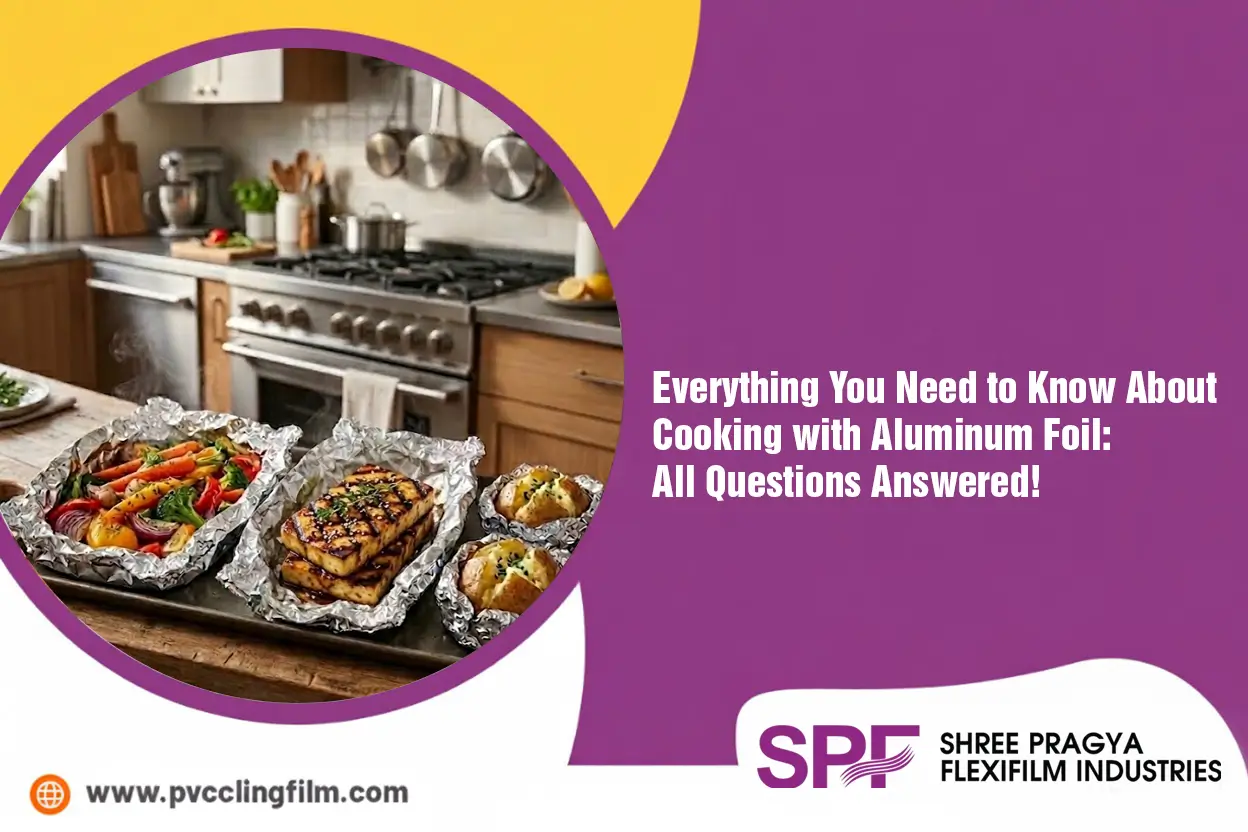
Everything You Need to Know About Cooking with Aluminum Foil: All Questions Answered!
#1 Is It Safe to Cook With Aluminum Foil?
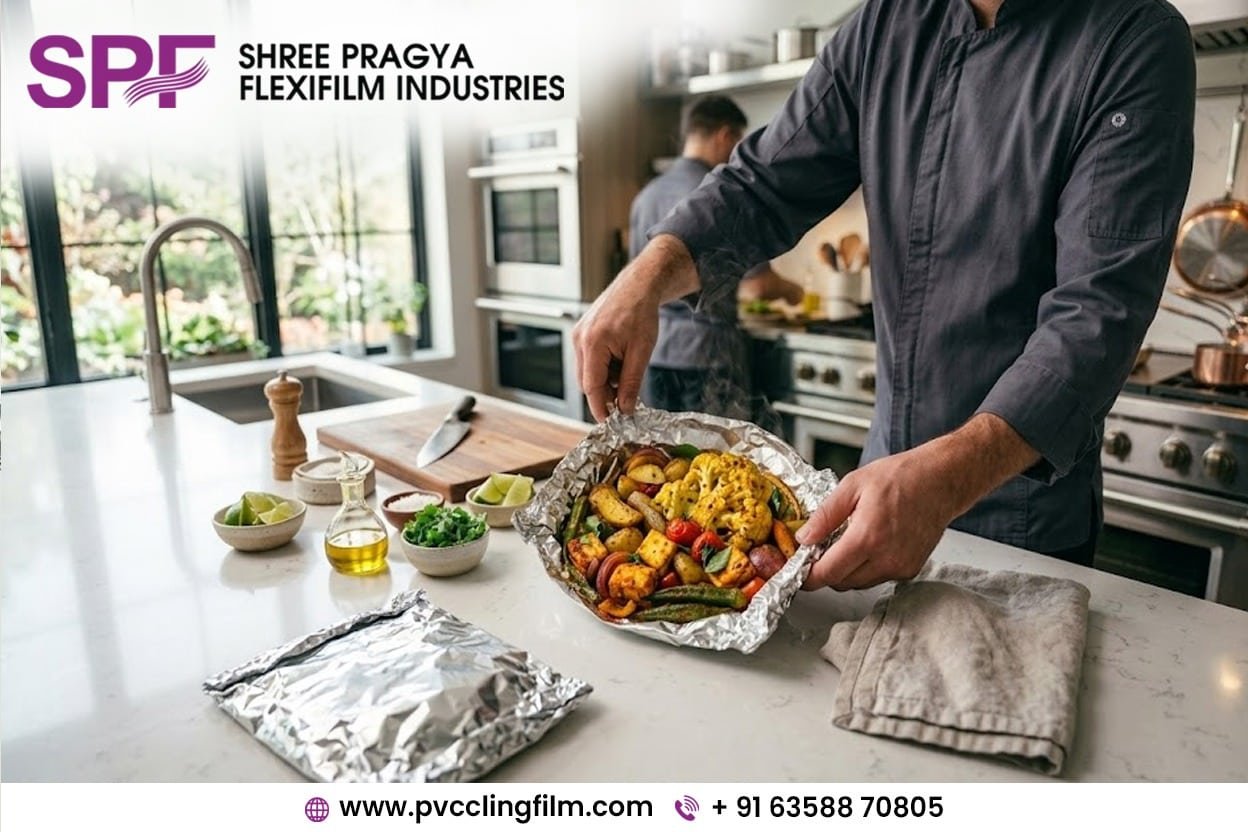
Yes. food-grade aluminum foil is safe for cooking. That being said, one thing to keep in mind is that acidic or highly salty food like tomato-based sauces, vinegar marinades, citrus-marinated food, and lemon-dressed food needs to be cooked in a specific manner. To manage this:
➤ Avoid cooking highly acidic food in direct contact with aluminum foil for more than 30 to 40 mins at high temperatures.
➤ Use back oven paper or parchment paper as a layer beneath acidic ingredients when using foil as a lining.
➤ For storing acidic leftovers, transfer them to a glass or ceramic container instead of wrapping in foil for longer periods.
Have you come across misleading claims that aluminium foil causes health issues? Read our Debunking Aluminium Foil Myths and Misconceptions that separates fact from myths.
#2 Should You Use Shiny or Dull Side of Aluminum Foil?
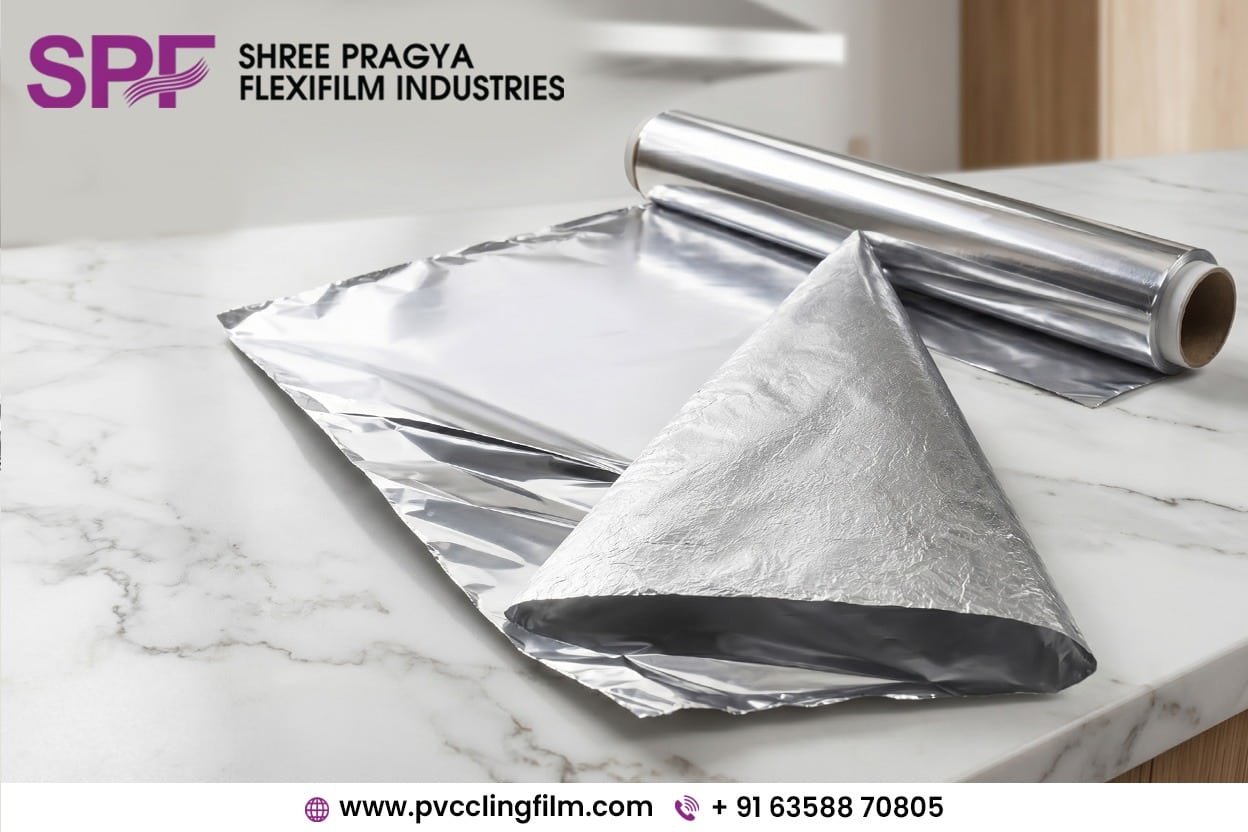
This is another popular question people usually ask. Well, for standard foil, it practically makes no difference. This difference in appearance comes down to the manufacturing process. During manufacturing, two layers of foil are rolled simultaneously. The side that contacts the steel roller comes out shiny; the side pressed against the other foil sheet comes out dull. Though both sides are the same in terms of thickness, composition and cooking performance.
#3 Can You Use Aluminum Foil in the Oven?
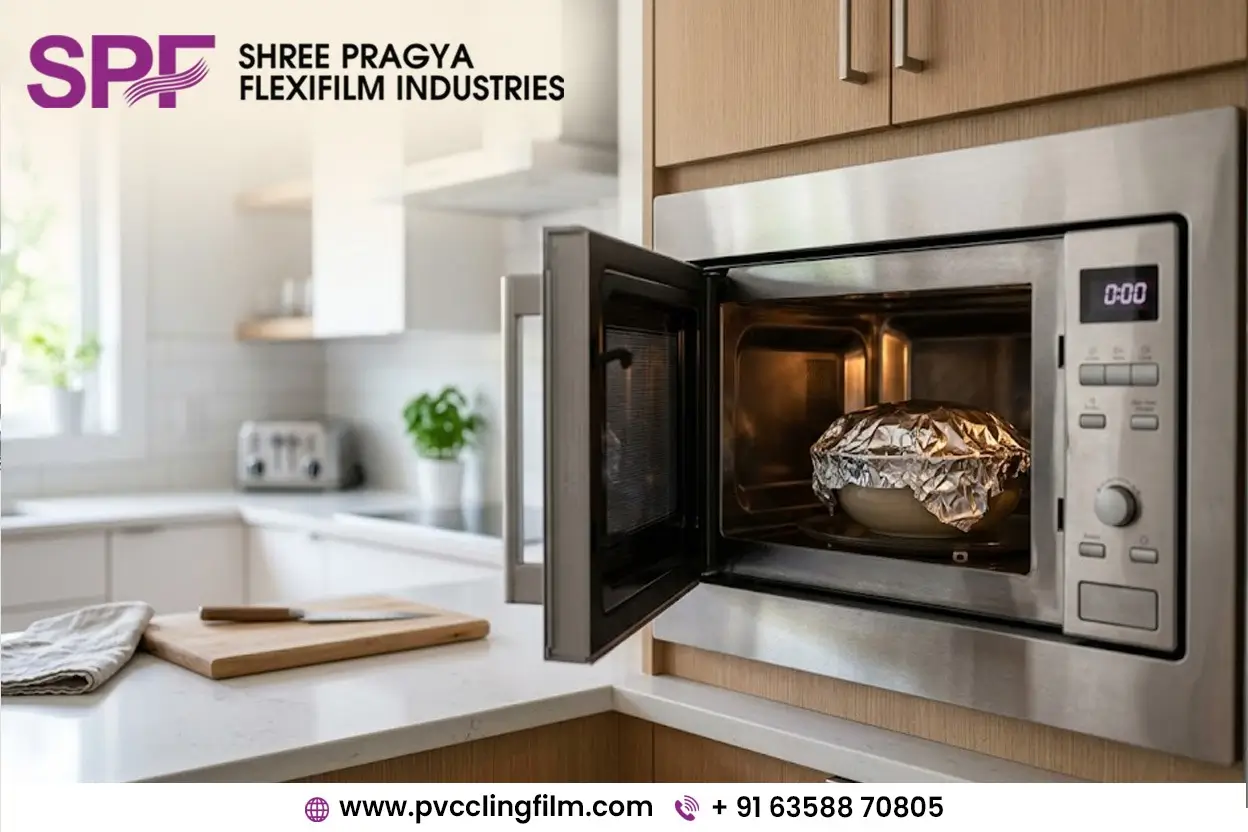
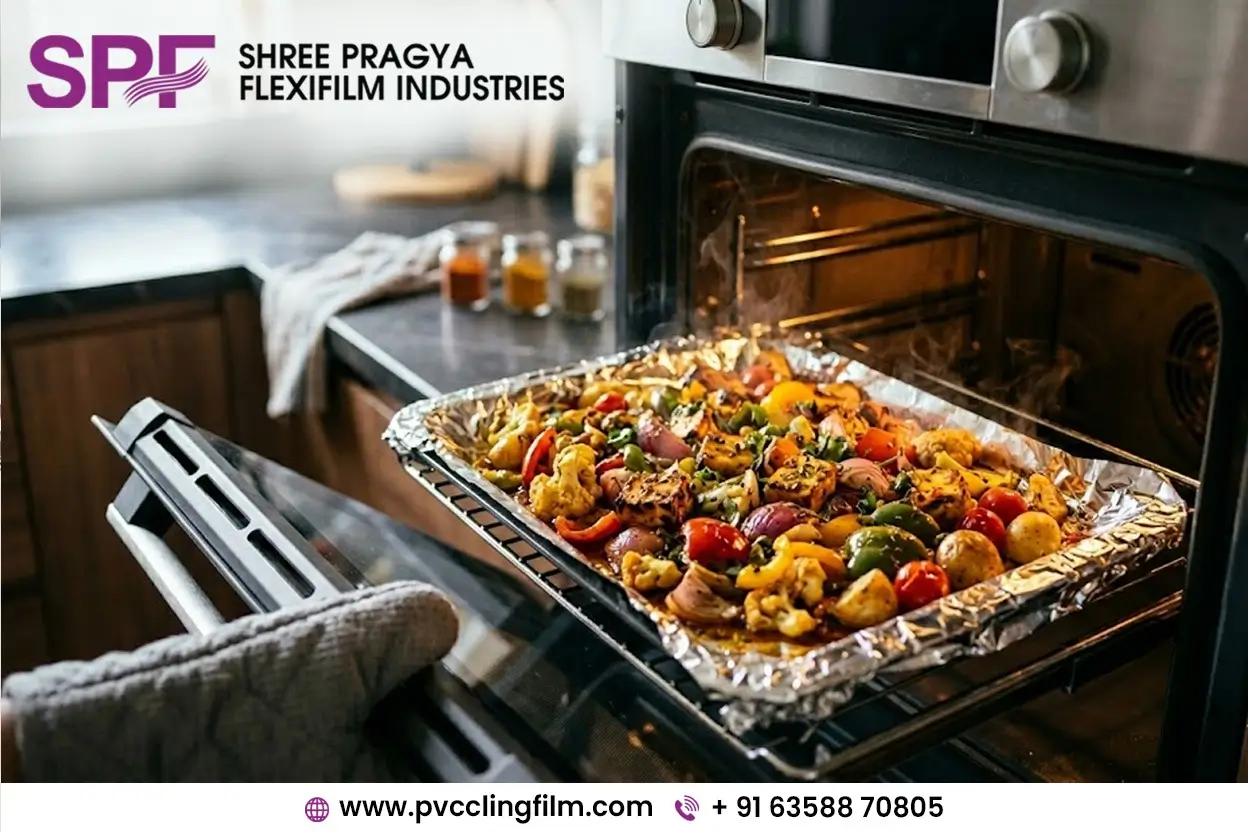
Yes, but with important considerations. Aluminum foil is ideal for oven use as it can withstand the highest temperatures of standard household ovens, reflecting heat to help food cook more evenly.
How You Can Use Aluminum Foil in Oven:
➤ Lining Baking Sheets & Pans: Place foil on your baking tray before loading cookies or roasted vegetables. Lift the foil off once cooled, and the tray stays clean.
➤ Cover the Dishes Loosely: Loosely cover the dishes, preventing the surface from browning too fast while the food is well-cooked.
➤ Warm & Reheat Food: Wrapping bread, rotis or tortillas in foil and placing them in a moderate oven (160 °C to 180 °C) softens them without drying them out.
➤ Broil & Grill: Foil is ideal for lining broiler pans. Most household broilers operate at 260°C to 290°C, well below the boiling point of aluminum foil.
What Not to Do When Using Aluminum Foil in Oven:
➤ Do Not Line Bottom of Your Oven with Foil: This is one of the most common mistakes when using aluminum foil in oven. A sheet of foil on the oven floor concentrates heat, can melt onto the oven’s surface or heat elements, blocking airflow and disrupting heat distribution, leading to uneven cooking and potential damage to your appliance.
➤ Don’t Let Foil Touch Oven’s Heating Elements: If the foil comes into contact with a hot element, it can melt or cause other issues.
#4 Can Aluminum Foil Be Used for Grilling?
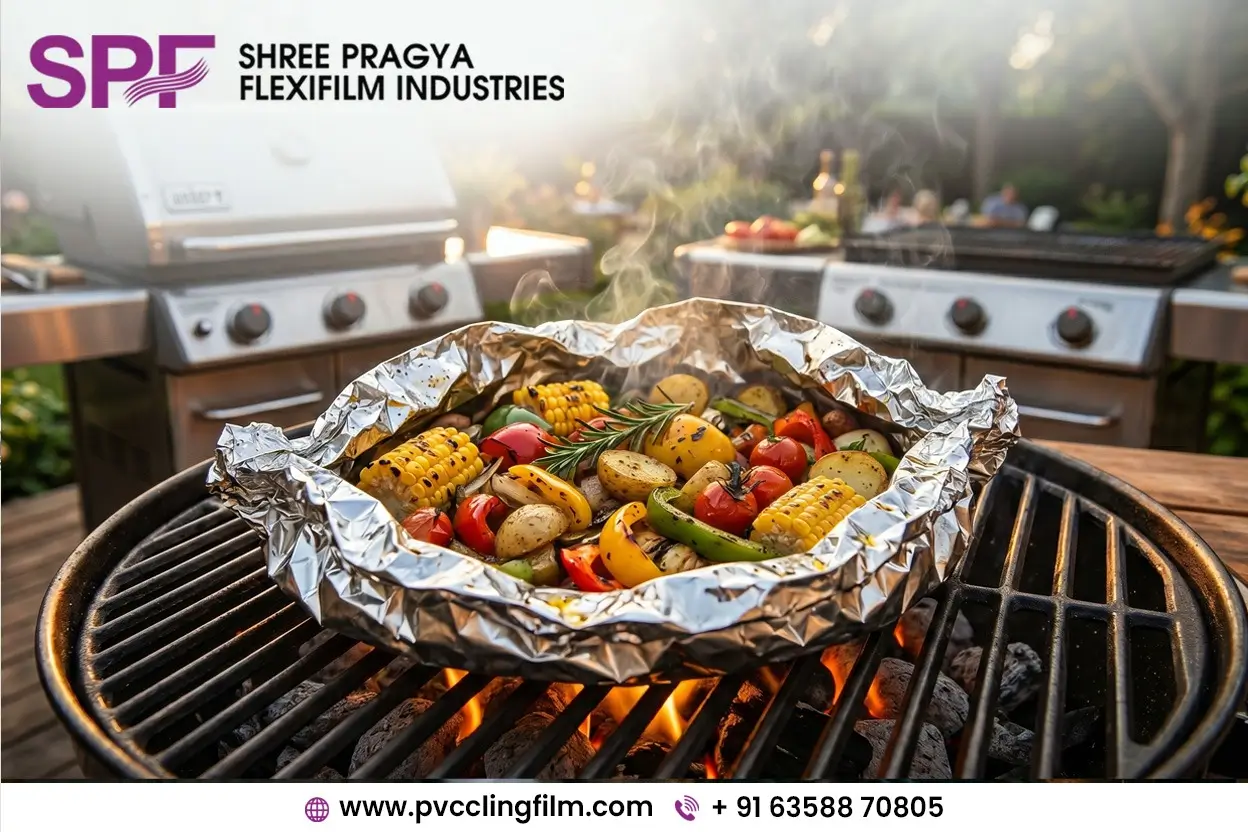
Aluminum foil for grilling is one of the most popular uses. Its helps:
➤ Preventing Sticking & Protecting Delicate Food: Exotic veggies and other foods can be lightly oiled, wrapped in aluminum foils and placed on grills.
➤ Foil Packet Grilling: Sealing ingredients in a foil packet results in a smoky flavour of open flame cooking.
#5 Can Aluminum Foil be Used in Microwave?
You can use aluminum foil in microwave with extreme caution. This is because metal in the microwave causes electrical arcing, which can damage the appliance and create a fire hazard.
➤ Keep Your Distance: Ensure no piece of foil is touching the microwave walls, ceiling or food. Maintain atleast 1-inch gap.
➤ Cover Minimally: Never completely wrap the food in foil.
➤ Short Duration: Run the microwave for short durations like 30 seconds and keep a close watch on it.
#6 Can Aluminum Foil be Used in Air Fryer?
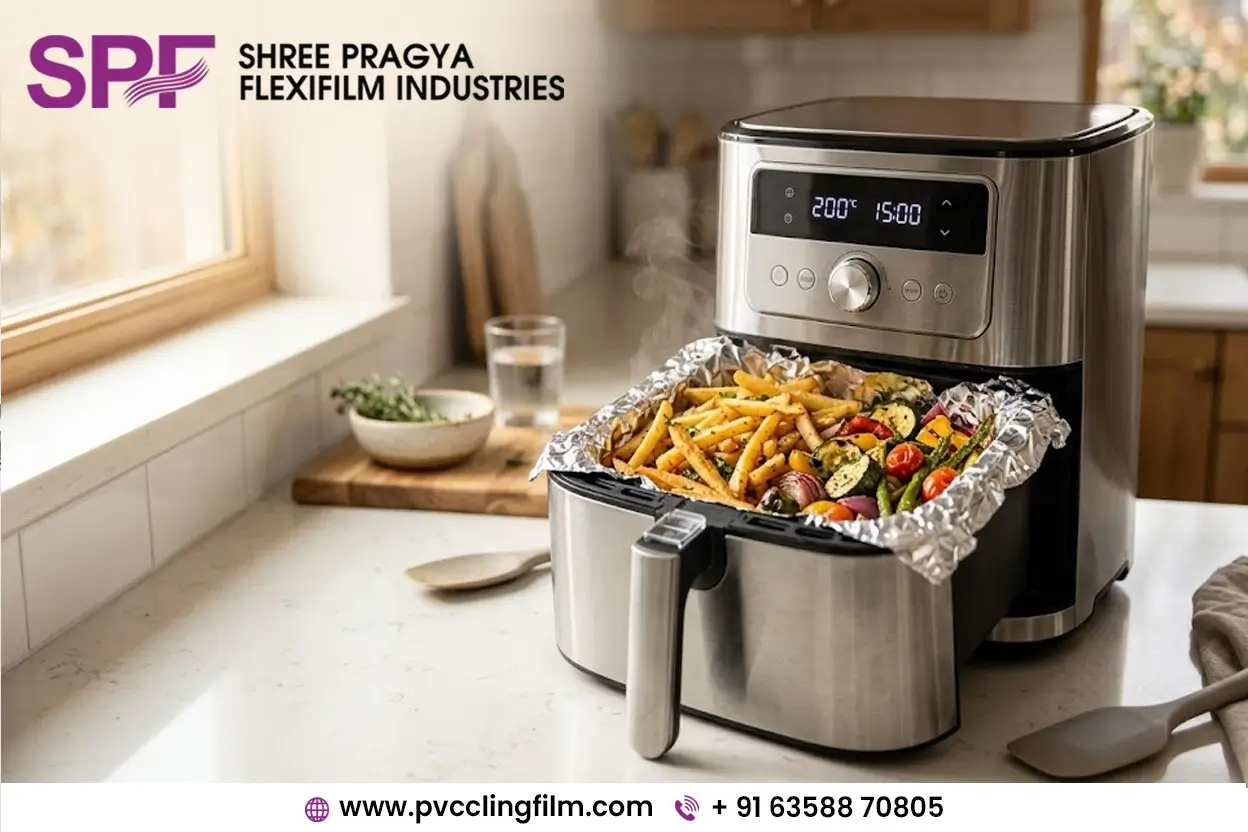
This a common question asked. Shree Pragya Flexifilm have a dedicated blog on Can Aluminium Foil Be Used in Air Fryer? Covering which type of air fryer, where to place the foil, what food works the best and what to skip completely.